
Sell Your Rental Property in Vancouver, WA
Ready to stop being a Vancouver landlord? Sell your rental for cash — even with tenants in place.
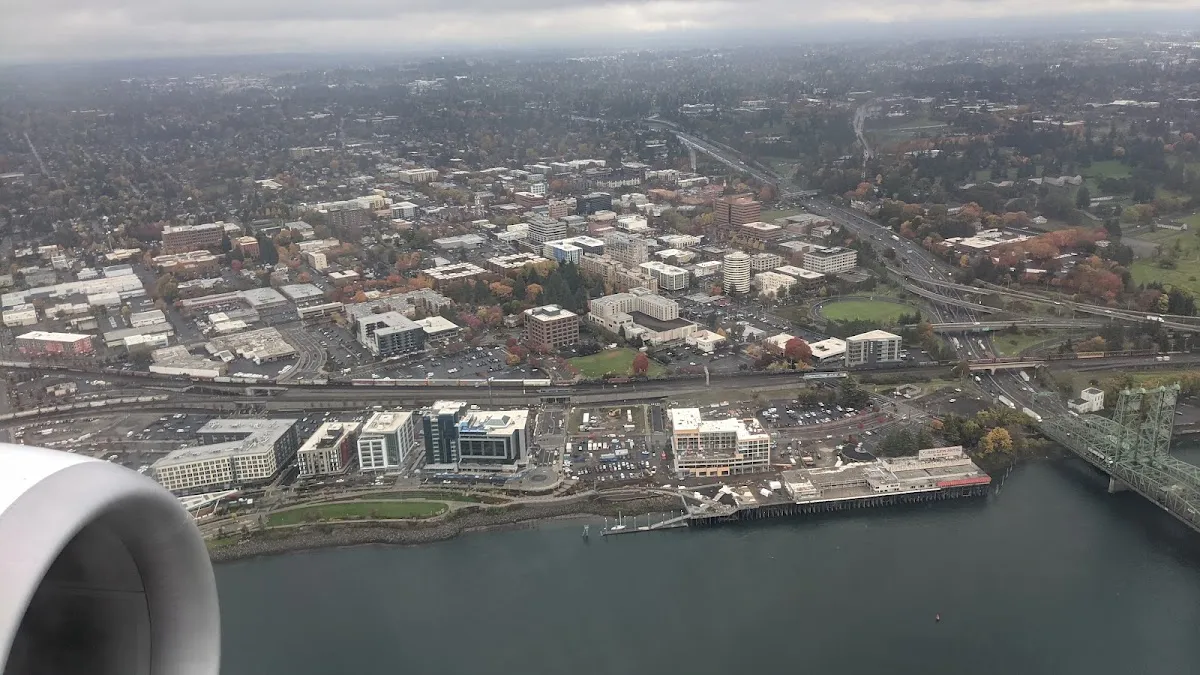
The I-5 Bridge Changes Everything
That bridge to Portland isn’t just a commute—it’s the entire reason your rental economics work the way they do. I’ve photographed over 2,000 listings across Clark County, and the cross-border dynamic shows up in every deal. Oregon jobs, Washington taxes, and a tenant pool that thinks in terms of both states.
If you’re thinking about selling your rental, the question isn’t just what it’s worth. It’s whether you want to deal with the complexity of showing a tenant-occupied property, or whether a quick exit makes more sense. Companies like HouseRush handle as-is sales, but plenty of owners list traditionally or sell directly to local investors. With Clark County’s median around $480,000, the equity is real enough to think through your options carefully.
Portland’s Gravitational Pull on Your Tenants
Your vacancy risk doesn’t live entirely in Vancouver. It lives across the river.
The no-income-tax draw pulls Portland workers into Clark County rentals constantly. I’ve watched good tenants leave not because of anything you did, but because their commute changed or their employer moved to the east side. That’s the tradeoff—strong demand, but demand that hinges on Oregon decisions you can’t control.
Many Vancouver rentals are actually owned by Oregon-based investors. That creates a cross-state tax situation and extra paperwork at closing. For some landlords relocating or simplifying their lives, that complexity alone is reason enough to sell.
And Portland’s rent stabilization rules have a way of spilling over. When vacancy rates shift in Multnomah County, it affects what tenants expect to pay in Hough or Minnehaha. You’re running a Washington property, but you’re partly at the mercy of Oregon politics.
Growth Cuts Both Ways

Clark County’s growth story is well known. What’s less discussed is how that growth pressures existing landlords.
Property taxes on a $450,000 home run $4,000–$5,500 annually, and they’re trending up. I see the bills alongside listing packets—they’re eating into cash flow for a lot of owners. New townhomes in Salmon Creek and Mill Plain come with modern finishes that older Hazel Dell ranches can’t match without real capital investment.
- I-5 and I-205 congestion is getting worse, which erodes Vancouver’s commute advantage
- Washington regulations are tightening—extended notice periods and source-of-income protections are becoming baseline
- New construction is absorbing the tenant pool that used to accept dated finishes
If you haven’t been tracking the regulatory changes, you can get caught flat-footed. That’s where investors buy houses that retail buyers pass on.
The Maintenance Curve Nobody Talks About
Central Vancouver, Orchards, and parts of East Vancouver are full of 1950s–1970s homes. They rent fine, but the true cost of ownership compounds over time.
Roofs, plumbing, HVAC—none of it ages gracefully. If you’ve been deferring big repairs for years, your real cost to sell is probably higher than you’ve calculated. That deferred maintenance shows up in inspection reports and kills deals at the worst possible moment.
Tenants arriving from Portland expect updated kitchens and efficient heat. Unrenovated homes attract a tougher tenant pool and rent for less. Insurance carriers are getting pickier about older wiring and roofs, raising premiums or declining coverage entirely. And when the house can’t meet lender standards, your buyer pool shrinks to cash investors only.
Neighborhood Math
Salmon Creek and Felida draw families and command higher rents. These sell well to both investors and owner-occupants because the condition is usually solid.
Central Vancouver—Downtown, Arnada, Hough—has character and walkability but mixed condition. These can perform, but they need consistent upkeep to hold value.
Carter Park and Minnehaha are practical and affordable. I see steady tenant interest and quiet appreciation. Not flashy, but dependable.
Hazel Dell has strong rental demand relative to price, but many homes need updates before an owner-occupant will touch them.
East Vancouver and the Camas corridor are growing fast with newer construction. Strong rents, lower maintenance, and solid resale value if you want to cash out.
The Real Reasons Landlords Exit
Equity redeployment is the big one. If you bought at $250,000–$350,000 a decade ago, you’re sitting on meaningful capital that could be working harder elsewhere.
But I hear other reasons constantly. The tenant pool has shifted with remote work and affordability pressures—screening takes more effort than it used to. Some owners are simply burned out on the calls, repairs, and paperwork. Landlording is a business, and some people are ready to be done with it.
And then there’s market timing. Vancouver’s growth story is priced in. Some investors prefer to sell while buyer demand is strong rather than wait for a correction.
When Cash Makes Sense (And When It Doesn’t)
A cash offer works best when:
- The property has major deferred maintenance that would kill your net after listing costs
- Tenants are in place and showings would be disruptive or violate lease terms
- New construction is out-competing your property for the same buyers
- You want certainty and speed, even if the price is lower
- You’re an Oregon-based investor who wants a clean exit without cross-state complications
Listing makes sense when the home is in Salmon Creek, Felida, or newer East Vancouver—condition is strong, owner-occupants will pay a premium, and you have 60+ days to work with. If you can absorb 6–8% in listing costs and stage a vacant property, retail pricing is usually worth the wait.
Running the Numbers
Start with comps, your rent roll, and an honest repair list. Then compare two scenarios: what you’d net from a traditional sale versus what an investor would offer today. Factor in tenant lease dates, seasonal traffic, and how much uncertainty you can tolerate.
If you’re an Oregon-based owner, build extra time for the tax and closing logistics. Cross-state sales are manageable, but they need good planning.
For statewide context, see our guide to selling your house fast in Washington.
The Bottom Line for Clark County Landlords
I’ve photographed properties for owners going through every kind of exit—clean flips, messy divorces, tight foreclosure timelines. The owners who make smart decisions are the ones who get honest about two things: the actual condition of their property, and their real tolerance for delay.
If you’re selling during a divorce or navigating foreclosure, speed matters more than squeezing every dollar. If you’ve got time and a solid property, listing might make sense. But don’t let ego drive the decision. Run the math, pick the path that fits your situation, and move forward.

Two Options for Vancouver Homeowners
Your situation is unique. That's why we show you both paths.
Cash Offer
- Offer in 48 hours or less
- Close in as little as 14 days
- Sell as-is — no repairs, no showings
- No agent commissions or fees
List on the Market
- Full market exposure in Vancouver
- Professional pricing strategy
- See exactly what you'd net after costs
- We handle everything
Frequently Asked Questions
Yes. We buy tenant-occupied properties throughout Clark County. The lease continues, the tenant stays, and you walk away cleanly.
Slightly — you will want to consult a CPA about the tax implications of selling Washington property as an Oregon resident. But the sale process itself is straightforward. We handle the Washington side of the transaction. Your Oregon residency does not affect our ability to buy.
The cross-border demand is a selling point for both cash and listing. Investor buyers know that Vancouver rentals attract Portland commuters willing to pay for no state income tax, which makes the rental income reliable. That demand works in your favor on the sale.
We buy in any condition. Tenant damage is factored into the offer price but does not prevent a sale. No repairs needed.
As a Washington property, the sale is subject to Washington's capital gains tax on gains above $250,000. If you are an Oregon resident, consult your CPA about Oregon tax obligations on the gain as well. A 1031 exchange can defer federal and potentially state taxes.
Newer Salmon Creek properties in good condition attract both investor and owner-occupant buyers, which broadens the buyer pool. If you have 60+ days and the property shows well, listing may net more. We show you both options so you can compare.
Clark County growth has been strong, but past appreciation does not guarantee future returns. If your rental yield on current value is low and your capital could earn more elsewhere, selling to redeploy may be the stronger financial move. We can help you think through the numbers.
Get Your Free Vancouver Home Comparison
See your cash offer and listing price — takes 2 minutes.