
Sell Your Rental Property in Seattle, WA
Ready to stop being a Seattle landlord? Sell your rental for cash — even with tenants in place.

What Nobody Tells You About Owning Rentals in Seattle
You bought the triplex in Ballard thinking it would be your retirement account. Collect rent, fix things when they break, let appreciation do the heavy lifting. That was the plan.
Then the rules changed. And kept changing.
Seattle landlording in 2024 looks nothing like it did ten years ago. Between just-cause eviction laws, mandatory relocation assistance, and inspection requirements that follow you like a shadow, small landlords in Capitol Hill, Beacon Hill, and Queen Anne are running compliance departments out of their kitchen tables.
I’ve talked to dozens of owners who hit the same wall. They’re not bad landlords. They’re just done.
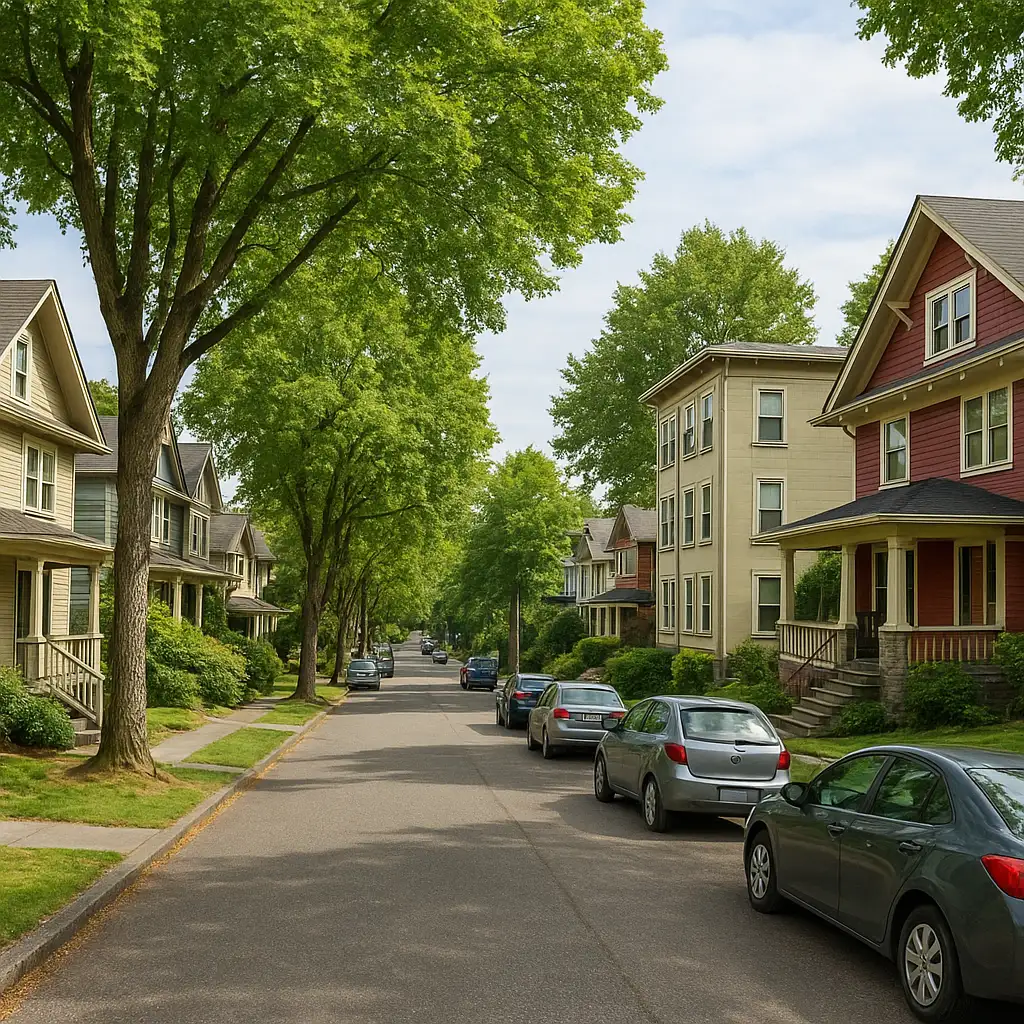
The Regulation Stack That Breaks People
If you’ve owned rentals in Seattle for more than a few years, you already know this list. But it’s worth seeing it all together:
- Just-cause eviction means you can’t end a tenancy because you want to sell. There are 18 approved reasons, and most require advance notice or cash payments to the tenant.
- Relocation assistance kicks in for large rent increases, demolition, or major rehab. We’re talking thousands of dollars, and the rules are precise.
- RRIO registration and inspections run on a schedule. Miss a cycle and the headache follows the property to the next owner.
- First-in-time tenant selection removes your discretion. First qualified applicant gets the unit.
- Rent increases over 10% require 180 days’ written notice. Half a year of planning for a basic business decision.
One owner in Fremont told me she spent more time on compliance paperwork than she did managing the actual property. That’s not an exaggeration.
The Math Doesn’t Always Work Anymore

Seattle rents are strong on paper. But when you run the actual numbers on an $850,000 property, the picture gets complicated.
Property taxes on a King County rental in that range can hit $10,000 to $13,000 annually. Insurance has climbed. Older homes in Ballard and the Central District need big-ticket repairs—roofs, plumbing, sewer lines—and a $10,000 surprise can wipe out a year of cash flow. Add RRIO fees, business license taxes, and the time you spend documenting everything, and you’re looking at thousands in overhead before anything goes wrong.
I’ve seen landlords pulling 3-4% cash-on-cash returns on properties generating $3,500 to $4,200 a month in rent.
That’s not a rental. That’s a full-time job that pays less than a savings account.
Selling With Tenants Already There
Here’s what trips up most Seattle landlords: you can’t just empty the property and list it like a normal house.
Owner-move-in evictions have strict requirements. Trying to force a vacancy the wrong way can trigger relocation payments or legal action. This is the one area where I tell everyone to get advice before acting. The penalties are real and the rules are specific.
The cleaner path for most owners is selling with tenants in place. An investor buys the property as-is, keeps the lease intact, and the tenant stays. No displacement drama. No just-cause risk. Month-to-month tenants continue under the same arrangement. Lease tenants are protected through their term.
Companies like HouseRush and other investors handle these transactions regularly. The process is straightforward when everyone knows the rules going in.
When Each Path Makes Sense
Selling to an investor works best when:
- Tenants are in place and you want to skip the showing circus
- The property needs work or has code issues
- You’re ready to exit Seattle’s regulatory environment entirely
- Tenants are behind on rent, uncooperative, or damaging the property
- You’re burned out and need a clean break
The we buy houses crowd gets a bad reputation, but the demand is real. These buyers understand tenant situations.
Listing traditionally makes sense when:
- The property is vacant or your tenants will cooperate with showings
- You’re in a high-demand area like Capitol Hill or Ballard
- The property shows well and could attract owner-occupants
- You have time to manage the process
For a detailed breakdown, I’d look at cash home buyers vs realtors—it covers the timeline and pricing differences better than I can summarize here.
Neighborhood Reality Check
Not all Seattle rentals are the same. Location shapes everything:
Capitol Hill and the University District pull the highest rents with strong investor interest. But tenants in these areas tend to know their rights inside and out. Expect them to push back on anything that looks questionable.
Ballard and Fremont have seen solid appreciation and attract broad buyer interest. Sales tend to move faster here regardless of whether you list or sell to an investor.
Queen Anne and the Central District often have long-term tenants paying below market rate. Selling without displacement requires care. If you’re selling house as is, investor demand stays strong.
Beacon Hill and South Seattle have older housing stock, more maintenance needs, and lower rents. Investor sales are often the cleanest exit in these areas.
Two homes worth $850,000 can perform completely differently five blocks apart. I’ve seen it.
Your Exit Strategy
Start simple:
- Pull together your rent roll, lease terms, and maintenance history
- Run investor pricing against listing pricing for your specific property
- Pick the path that matches your timeline and how much hassle you can handle
- Close when it works for you—tenants stay, leases continue
To understand what investors actually pay, how much do cash home buyers pay breaks down the calculation. Run it against your rent roll and see where you land. See how our process works if you want a quick comparison.
For broader context on the Washington market, our guide to selling your house fast in Washington covers state-level considerations.
If you’re juggling something more complicated—like selling during divorce in Seattle—the same decision tree applies. I’ve worked with landlords managing multiple pressures at once. Sometimes the cleanest exit is worth more than squeezing out an extra few percent.
The rules aren’t getting simpler. But getting out doesn’t have to be hard.

Two Options for Seattle Homeowners
Your situation is unique. That's why we show you both paths.
Cash Offer
- Offer in 48 hours or less
- Close in as little as 14 days
- Sell as-is — no repairs, no showings
- No agent commissions or fees
List on the Market
- Full market exposure in Seattle
- Professional pricing strategy
- See exactly what you'd net after costs
- We handle everything
Frequently Asked Questions
Yes. We routinely purchase tenant-occupied properties. We assume the existing lease or work with month-to-month tenants after closing. You do not need to evict anyone or wait for a lease to expire.
No — and in Seattle, eviction is extremely difficult. The city requires just cause for eviction, and 'selling the property' is not just cause unless very specific conditions are met. We buy with tenants in place, eliminating the eviction question entirely.
Seattle's relocation assistance ordinance may require landlords to pay tenants if the sale results in demolition, substantial rehabilitation, or certain other changes. The amount depends on unit size and tenant income. If you sell to us with tenants in place and the lease continues, relocation assistance typically does not apply. We can discuss your specific situation.
We buy properties in any condition — including tenant damage. The condition affects our offer price but does not disqualify the property. You do not need to make repairs before selling to us.
Likely yes — investment properties do not qualify for the primary residence capital gains exclusion. Washington also has a capital gains tax on sales above $250,000. You may be able to defer taxes through a 1031 exchange. Consult your tax advisor, and let us know if you are considering a 1031 — we can accommodate exchange timelines.
Seattle's Rental Registration and Inspection Ordinance (RRIO) requires all rental properties to be registered and inspected on a rotating cycle. If your registration has lapsed, we can still buy — but it is something you should be aware of. Selling now may actually resolve your RRIO compliance concerns.
We analyze both the property value (comparable sales in your neighborhood) and the investment value (rental income, cap rate, occupancy). A performing rental with reliable tenants can command a premium from investor buyers.
Get Your Free Seattle Home Comparison
See your cash offer and listing price — takes 2 minutes.