
Selling "as-is" means the buyer accepts the property in its current condition — you make no repairs, no improvements, and no warranties about the home's condition. In Washington, as-is sales are perfectly legal, but there are important nuances every seller should understand.
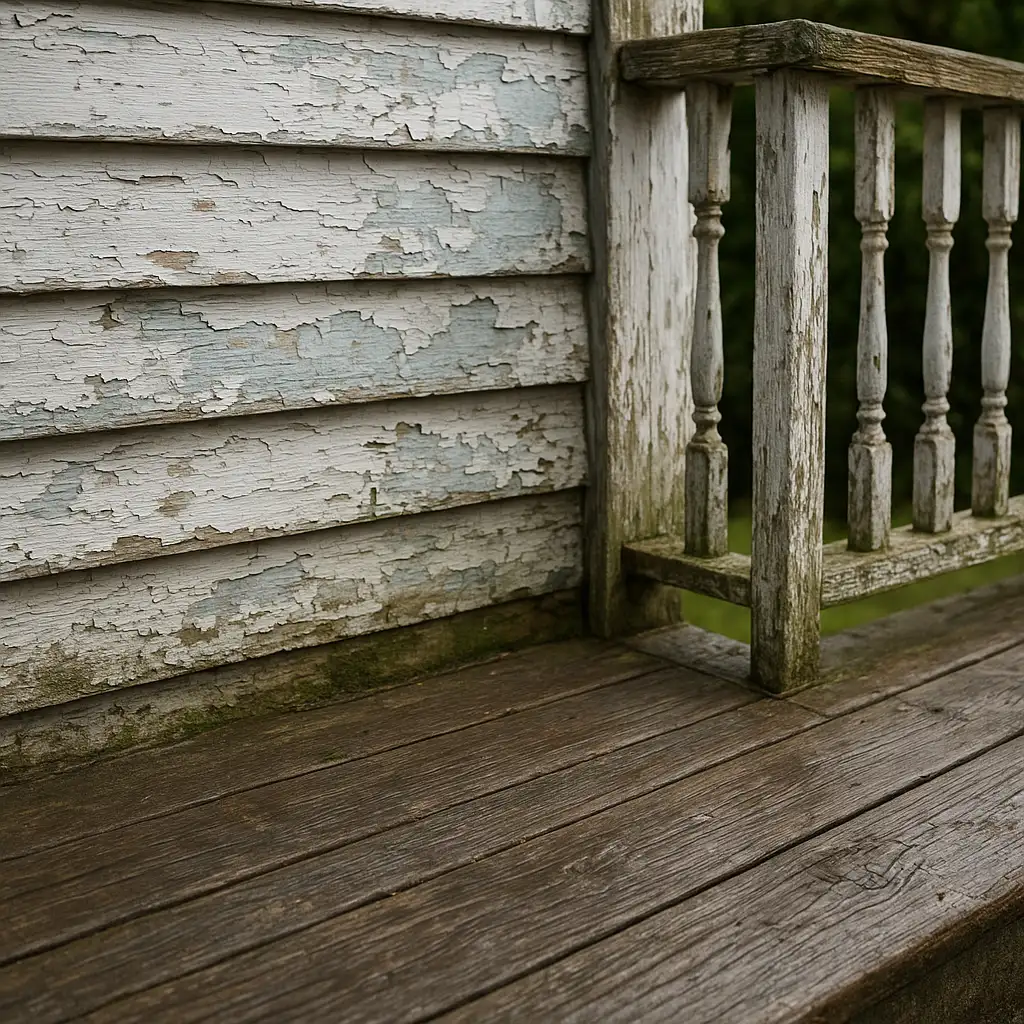
What "As-Is" Actually Means in Washington
What it does mean: You will not make any repairs. The buyer accepts the property's current condition, including all known and unknown defects.
What it does NOT mean: You are exempt from disclosure requirements. Washington law (RCW 64.06) requires sellers to complete a Seller Disclosure Statement regardless of whether the sale is as-is. You must disclose known material defects — failing to do so can expose you to legal liability after closing.
Two Ways to Sell As-Is in Washington
1. As-Is to a Cash Buyer
Cash buyers like HouseRush specialize in as-is purchases. They expect properties to need work, factor repair costs into their offer, and close quickly without inspection contingencies. This is the simplest as-is path.

2. As-Is on the Open Market
You can list your home as-is on the MLS. Buyers know upfront that you will not make repairs. This can work, but expect:
- Lower offers (buyers discount for unknown risk)
- Longer time on market (as-is listings attract fewer buyers)
- Inspection-based renegotiation attempts (buyers may still try to negotiate after inspection)
- Investor-heavy buyer pool (retail buyers are often scared of as-is listings)
When Selling As-Is Makes Sense
- Major repair costs exceed your budget — Foundation, roof, or system replacements costing $30K+ that you cannot afford
- Inherited property — You do not want to invest in a home you did not choose
- Time pressure — Foreclosure, relocation, or divorce deadlines
- Renovation ROI is negative — In some markets and conditions, repairs cost more than they add in value
- Health or age limitations — Managing a renovation is not physically possible
Washington Seller Disclosure Requirements
Even in an as-is sale, you must disclose:
- Known structural defects
- Water damage or mold history
- Environmental hazards (lead paint, asbestos, underground storage tanks)
- Boundary disputes or easements
- Unpermitted work
- Known problems with systems (electrical, plumbing, HVAC)
"As-is" protects you from repair obligations, not disclosure obligations. Be honest on the disclosure form — it is both the legal and smart thing to do.
As-Is Pricing Strategy
If listing as-is on the open market, price your home to reflect its condition:
- Start with comparable sales for homes in good condition
- Subtract estimated repair costs (be realistic, not optimistic)
- Subtract an additional 5-10% "risk discount" — buyers pay less for uncertainty
Or skip the guesswork entirely: get a cash offer from HouseRush that accounts for condition upfront, alongside a listing projection showing what the home might sell for on the market.